• Identity Threat Detection and Response (ITDR): The Future of Identity Security in 2026


    In today’s digital environment, identity has become one of the most targeted elements in cyberattacks. As organizations adopt cloud services, remote work, and hybrid infrastructures, identity systems such as directories, access platforms, and authentication services are increasingly exposed to threats. According to the latest SPARK Matrix™: Identity Threat Detection and Response (ITDR), Q4 2025 report by QKS Group, enterprises are now prioritizing identity-centric security strategies to detect and respond to sophisticated identity-based attacks.

    Click Here For More: https://qksgroup.com/market-research/spark-matrix-identity-threat-detection-and-response-q4-2025-10322

    Identity Threat Detection and Response (ITDR) is a cybersecurity approach designed to identify, investigate, and mitigate threats targeting identity infrastructure. This includes monitoring authentication systems, privilege escalations, credential misuse, and lateral movement across networks. Traditional security tools often focus on endpoints or network activity, but modern attackers frequently exploit identity vulnerabilities to gain persistent access to enterprise environments.

    The growing use of cloud platforms, SaaS applications, and multi-cloud architectures has significantly expanded the identity attack surface. Threat actors now use advanced techniques such as credential theft, pass-the-hash attacks, token manipulation, and privilege abuse to bypass traditional defenses. As a result, organizations require advanced security tools that provide deep visibility into identity activities and user behavior.

    ITDR solutions address these challenges by combining identity analytics, behavioral monitoring, and automated response capabilities. These platforms analyze authentication logs, identity access patterns, and privileged account activities to detect unusual or suspicious behavior. By correlating identity events with other security data sources, ITDR platforms enable security teams to quickly identify compromised accounts or insider threats.

    Modern Identity Threat Detection and Response solutions also integrate with existing security technologies such as Identity and Access Management (IAM), Security Information and Event Management (SIEM), Extended Detection and Response (XDR), and cloud security platforms. This integration helps organizations build a unified security ecosystem that provides comprehensive threat visibility across the entire digital environment.

    Another important capability highlighted in the report is the use of artificial intelligence and machine learning for threat detection. AI-powered analytics can identify anomalies in login behavior, access patterns, and user activity that may indicate malicious intent. These capabilities allow organizations to detect threats earlier and reduce the risk of identity compromise.

    The SPARK Matrix evaluation by QKS Group provides a detailed analysis of leading ITDR vendors, market trends, and competitive positioning. The framework assesses vendors based on two key dimensions: technology excellence and customer impact. This evaluation helps enterprises compare solutions, understand vendor capabilities, and make informed decisions when selecting identity security platforms.

    Talk to Analyst: https://qksgroup.com/analyst-briefing?analystId=22&reportId=10322

    As identity becomes the new security perimeter, organizations must shift from traditional perimeter-based defenses to identity-centric security strategies. Implementing ITDR solutions enables businesses to detect identity threats early, prevent unauthorized access, and strengthen overall cybersecurity resilience.

    In 2025 and beyond, Identity Threat Detection and Response will play a critical role in protecting modern digital enterprises. By combining real-time monitoring, behavioral analytics, and automated response, ITDR platforms help organizations stay ahead of evolving cyber threats while ensuring secure access to critical systems and data.

    #IdentityThreatDetection #ITDR #IdentitySecurity #CyberSecurity #IdentityProtection #CyberThreatDetection #IdentityAndAccessManagement #IAMSecurity #PrivilegedAccessManagement #ThreatDetection #CyberDefense #SecurityOperations #IdentityRiskManagement #EnterpriseCyberSecurity #CyberSecuritySolutions #ThreatIntelligence #IdentityMonitoring #SecurityAnalytics #CyberThreatProtection #DigitalIdentitySecurity
    Identity Threat Detection and Response (ITDR): The Future of Identity Security in 2026 In today’s digital environment, identity has become one of the most targeted elements in cyberattacks. As organizations adopt cloud services, remote work, and hybrid infrastructures, identity systems such as directories, access platforms, and authentication services are increasingly exposed to threats. According to the latest SPARK Matrix™: Identity Threat Detection and Response (ITDR), Q4 2025 report by QKS Group, enterprises are now prioritizing identity-centric security strategies to detect and respond to sophisticated identity-based attacks. Click Here For More: https://qksgroup.com/market-research/spark-matrix-identity-threat-detection-and-response-q4-2025-10322 Identity Threat Detection and Response (ITDR) is a cybersecurity approach designed to identify, investigate, and mitigate threats targeting identity infrastructure. This includes monitoring authentication systems, privilege escalations, credential misuse, and lateral movement across networks. Traditional security tools often focus on endpoints or network activity, but modern attackers frequently exploit identity vulnerabilities to gain persistent access to enterprise environments. The growing use of cloud platforms, SaaS applications, and multi-cloud architectures has significantly expanded the identity attack surface. Threat actors now use advanced techniques such as credential theft, pass-the-hash attacks, token manipulation, and privilege abuse to bypass traditional defenses. As a result, organizations require advanced security tools that provide deep visibility into identity activities and user behavior. ITDR solutions address these challenges by combining identity analytics, behavioral monitoring, and automated response capabilities. These platforms analyze authentication logs, identity access patterns, and privileged account activities to detect unusual or suspicious behavior. By correlating identity events with other security data sources, ITDR platforms enable security teams to quickly identify compromised accounts or insider threats. Modern Identity Threat Detection and Response solutions also integrate with existing security technologies such as Identity and Access Management (IAM), Security Information and Event Management (SIEM), Extended Detection and Response (XDR), and cloud security platforms. This integration helps organizations build a unified security ecosystem that provides comprehensive threat visibility across the entire digital environment. Another important capability highlighted in the report is the use of artificial intelligence and machine learning for threat detection. AI-powered analytics can identify anomalies in login behavior, access patterns, and user activity that may indicate malicious intent. These capabilities allow organizations to detect threats earlier and reduce the risk of identity compromise. The SPARK Matrix evaluation by QKS Group provides a detailed analysis of leading ITDR vendors, market trends, and competitive positioning. The framework assesses vendors based on two key dimensions: technology excellence and customer impact. This evaluation helps enterprises compare solutions, understand vendor capabilities, and make informed decisions when selecting identity security platforms. Talk to Analyst: https://qksgroup.com/analyst-briefing?analystId=22&reportId=10322 As identity becomes the new security perimeter, organizations must shift from traditional perimeter-based defenses to identity-centric security strategies. Implementing ITDR solutions enables businesses to detect identity threats early, prevent unauthorized access, and strengthen overall cybersecurity resilience. In 2025 and beyond, Identity Threat Detection and Response will play a critical role in protecting modern digital enterprises. By combining real-time monitoring, behavioral analytics, and automated response, ITDR platforms help organizations stay ahead of evolving cyber threats while ensuring secure access to critical systems and data. #IdentityThreatDetection #ITDR #IdentitySecurity #CyberSecurity #IdentityProtection #CyberThreatDetection #IdentityAndAccessManagement #IAMSecurity #PrivilegedAccessManagement #ThreatDetection #CyberDefense #SecurityOperations #IdentityRiskManagement #EnterpriseCyberSecurity #CyberSecuritySolutions #ThreatIntelligence #IdentityMonitoring #SecurityAnalytics #CyberThreatProtection #DigitalIdentitySecurity
    QKSGROUP.COM
    SPARK Matrix?: Identity Threat Detection and Response, Q4 2025
    SPARK Matrix™: Identity Threat Detection and Response, Q4, 2025 QKS Group’s Identity Threat Dete...
    0 Comments 0 Shares 0 Reviews
  • Why CIAM (Customer Identity and Access Management) Is Now a Big Tech Priority in 2026

    In today’s digital world, businesses must make sure their customers can securely access online services while having a smooth, easy experience. This is where Customer Identity and Access Management (CIAM) comes in. It is a technology system that helps companies verify customer identities, control who can access what, and protect sensitive data from theft or misuse. In 2025, the CIAM market is rapidly growing and becoming a crucial part of digital security strategies for many industries.

    Click Here For More: https://qksgroup.com/market-research/spark-matrix-customer-identity-and-access-management-ciam-q2-2025-8634

    Understanding CIAM and Its Role

    CIAM platforms allow users to sign up, sign in, and manage access to digital services such as apps, websites, and customer portals. These systems handle identity verification, password management, multi-factor authentication (MFA), and user profile storage. They help businesses balance security and user experience - guarding against threats but without making login processes too hard or frustrating for customers.

    In simple terms, CIAM acts like a digital gatekeeper. It makes sure that only the right people can enter specific applications and data, while also protecting companies from fraud and cyberattacks. This balance is especially important for financial services, eCommerce, healthcare, telecom, and other sectors that serve millions of users online.

    CIAM Market Growth in 2025

    According to the latest market analysis reports, the global CIAM market is projected to reach $12.5 billion by 2030, growing at a strong rate every year from 2025 onward. This growth is driven by organizations investing more in digital services, online security, and compliance with data privacy laws.

    This expanding opportunity means that vendors - companies who build CIAM solutions - must innovate continuously. New technologies like AI (Artificial Intelligence), behavioral analytics, adaptive authentication, and biometrics are now part of modern CIAM systems. These tools help detect suspicious activities, strengthen authentication without harming user experience, and reduce the risk of identity fraud.

    Talk To Analyst: https://qksgroup.com/analyst-briefing?analystId=22&reportId=8634

    Key CIAM Trends for Businesses

    Here are some important trends shaping the Customer Identity and Access Management (CIAM) space in 2025:

    AI-Driven Security: CIAM tools are using artificial intelligence to adapt security in real time. This means the system can read how a customer behaves and adjust access requirements dynamically - such as triggering extra authentication if something looks unusual.

    Zero-Trust Security Models: Zero-trust means that no user or device is trusted by default. Every access request is verified before approval. CIAM platforms are integrating zero-trust frameworks to reduce risk and protect sensitive data.

    Password-less Authentication: Methods like biometric login or one-time codes help reduce reliance on passwords. This improves user experience and lowers the chances of password-related breaches.

    Cross-Industry Adoption: From banks to healthcare providers, more organizations are adding CIAM to their tech stack to ensure reliable access management and compliance with privacy standards.

    Why CIAM Matters for Today’s Digital World

    In 2025, digital trust is a major factor for customer loyalty. When users feel their data and access are secure, they are more likely to engage with online services. Customer Identity and Access Management (CIAM) helps companies build that trust, reduce risks of cyberattacks, and provide seamless digital experiences. As digital transformation continues, CIAM will remain a key investment area for businesses around the world.


    #CustomerIdentityAndAccessManagementMarket #CIAMMarket #CustomerIdentityAndAccessManagement #CIAM #Security #Cybersecurity #Business #CIAMSolutions #CustomerIdentityAccessManagement #CIAMAuthentication #CIAMPlatform #CustomerIdentityManagement #CIAMSecurity #CIAMIdentity #DigitalIdentitySecurity #AccessManagementSolutions #MFA #ZeroTrustSecurity #IdentityAndAccessManagement
    Why CIAM (Customer Identity and Access Management) Is Now a Big Tech Priority in 2026 In today’s digital world, businesses must make sure their customers can securely access online services while having a smooth, easy experience. This is where Customer Identity and Access Management (CIAM) comes in. It is a technology system that helps companies verify customer identities, control who can access what, and protect sensitive data from theft or misuse. In 2025, the CIAM market is rapidly growing and becoming a crucial part of digital security strategies for many industries. Click Here For More: https://qksgroup.com/market-research/spark-matrix-customer-identity-and-access-management-ciam-q2-2025-8634 Understanding CIAM and Its Role CIAM platforms allow users to sign up, sign in, and manage access to digital services such as apps, websites, and customer portals. These systems handle identity verification, password management, multi-factor authentication (MFA), and user profile storage. They help businesses balance security and user experience - guarding against threats but without making login processes too hard or frustrating for customers. In simple terms, CIAM acts like a digital gatekeeper. It makes sure that only the right people can enter specific applications and data, while also protecting companies from fraud and cyberattacks. This balance is especially important for financial services, eCommerce, healthcare, telecom, and other sectors that serve millions of users online. CIAM Market Growth in 2025 According to the latest market analysis reports, the global CIAM market is projected to reach $12.5 billion by 2030, growing at a strong rate every year from 2025 onward. This growth is driven by organizations investing more in digital services, online security, and compliance with data privacy laws. This expanding opportunity means that vendors - companies who build CIAM solutions - must innovate continuously. New technologies like AI (Artificial Intelligence), behavioral analytics, adaptive authentication, and biometrics are now part of modern CIAM systems. These tools help detect suspicious activities, strengthen authentication without harming user experience, and reduce the risk of identity fraud. Talk To Analyst: https://qksgroup.com/analyst-briefing?analystId=22&reportId=8634 Key CIAM Trends for Businesses Here are some important trends shaping the Customer Identity and Access Management (CIAM) space in 2025: AI-Driven Security: CIAM tools are using artificial intelligence to adapt security in real time. This means the system can read how a customer behaves and adjust access requirements dynamically - such as triggering extra authentication if something looks unusual. Zero-Trust Security Models: Zero-trust means that no user or device is trusted by default. Every access request is verified before approval. CIAM platforms are integrating zero-trust frameworks to reduce risk and protect sensitive data. Password-less Authentication: Methods like biometric login or one-time codes help reduce reliance on passwords. This improves user experience and lowers the chances of password-related breaches. Cross-Industry Adoption: From banks to healthcare providers, more organizations are adding CIAM to their tech stack to ensure reliable access management and compliance with privacy standards. Why CIAM Matters for Today’s Digital World In 2025, digital trust is a major factor for customer loyalty. When users feel their data and access are secure, they are more likely to engage with online services. Customer Identity and Access Management (CIAM) helps companies build that trust, reduce risks of cyberattacks, and provide seamless digital experiences. As digital transformation continues, CIAM will remain a key investment area for businesses around the world. #CustomerIdentityAndAccessManagementMarket #CIAMMarket #CustomerIdentityAndAccessManagement #CIAM #Security #Cybersecurity #Business #CIAMSolutions #CustomerIdentityAccessManagement #CIAMAuthentication #CIAMPlatform #CustomerIdentityManagement #CIAMSecurity #CIAMIdentity #DigitalIdentitySecurity #AccessManagementSolutions #MFA #ZeroTrustSecurity #IdentityAndAccessManagement
    QKSGROUP.COM
    SPARK Matrix?: Customer Identity and Access Management (CIAM), Q2 2025
    Quadrant Knowledge Solutions’ Customer Identity and Access Management market research includes a det...
    0 Comments 0 Shares 0 Reviews
  • Identity Threat Detection and Response Platforms: Market Dynamics and Innovation Trends

    The global Identity Threat Detection and Response (ITDR) market is rapidly emerging as a cornerstone of modern cybersecurity strategies. As organizations accelerate digital transformation and adopt hybrid and multi-cloud infrastructures, identity has become the primary attack surface. ITDR market research provides a comprehensive analysis of emerging technology trends, competitive dynamics, and future market outlook, helping technology vendors refine growth strategies and enabling buyers to evaluate vendor capabilities, differentiation, and long-term market positioning.

    Click Here For More: https://qksgroup.com/market-research/spark-matrix-identity-threat-detection-and-response-q4-2025-10322

    Why ITDR Is Gaining Strategic Importance

    Traditional Identity and Access Management (IAM) and endpoint security solutions alone are no longer sufficient to defend against sophisticated identity-based attacks. Threat actors increasingly exploit compromised credentials, privilege escalation, and lateral movement techniques to infiltrate enterprise networks. ITDR bridges the gap between IAM, endpoint detection, and extended detection and response (XDR) ecosystems by delivering continuous monitoring and real-time protection across human and machine identities.

    Modern ITDR platforms leverage advanced analytics, including graph-based modeling, protocol telemetry inspection, and AI-driven behavioral baselining. These capabilities correlate identity signals from platforms such as Active Directory, Entra ID, SaaS applications, and IaaS environments into unified attack narratives. By integrating with enforcement systems like EDR, SOAR, and Privileged Access Management (PAM), ITDR enables automated remediation and adaptive containment strategies aligned with Zero Trust architectures.

    Emerging Market Trends

    The Identity Threat Detection and Response market is shaped by several key trends:

    Hybrid Identity Expansion: Organizations are managing increasingly complex identity stores across on-premises and cloud environments.

    Machine and Service Identity Protection: Growth in APIs, automation, and DevOps pipelines has expanded the attack surface beyond human users.

    AI-Driven Threat Detection: Behavioral analytics and anomaly detection powered by artificial intelligence are enhancing early-stage attack visibility.

    Identity-Centric Zero Trust Adoption: ITDR is becoming foundational for enforcing continuous verification and least-privilege access.

    As enterprises prioritize identity resilience, ITDR is evolving from a niche capability into an essential component of cybersecurity architecture.

    Competitive Landscape and SPARK Matrix Evaluation

    The research includes detailed competition analysis and vendor evaluation using the proprietary SPARK Matrix framework. The SPARK Matrix ranks and positions leading Identity Threat Detection and Response vendors based on technology excellence, customer impact, and global presence.

    Connect With Our Analyst: https://qksgroup.com/analyst-briefing?id=10322

    Key vendors evaluated include:

    Acalvio, BeyondTrust, CrowdStrike, Delinea, Microsoft, Netwrix, Okta, Palo Alto Networks, Ping Identity, Proofpoint, Quest Software, Securonix, Segura, Semperis, SentinelOne, Silverfort, Varonis, Vectra AI, Zscaler.

    These vendors are shaping the ITDR landscape through innovation in identity analytics, threat correlation, cloud-native security, and automated response capabilities.

    Future Market Outlook

    Looking ahead, the Identity Threat Detection and Response market is poised for sustained growth driven by increasing ransomware sophistication, identity-based persistence techniques, and regulatory pressures around identity governance. Organizations are expected to prioritize solutions that unify identity visibility across endpoints, networks, cloud workloads, and SaaS applications.

    As Zero Trust adoption accelerates globally, ITDR will play a pivotal role in ensuring identity resilience, minimizing breach impact, and enabling adaptive cybersecurity strategies. Vendors that combine deep identity telemetry, advanced analytics, and seamless integration with existing security ecosystems will lead the next phase of market expansion.


    #IdentityThreatDetectionAndResponseMarket #IdentityThreatDetectionAndResponse #ThreatDetectionAndResponse #ThreatDetection #IdentitySecurity #IdentityAndAccessManagement #ITDR #PrivilegedAccessManagement #SIEM #ITDRMarket #ITDRSolutions #IdentityThreatDetection #ZeroTrustSecurity #InformationSecurity #SPARKMatrix #Cybersecurity
    Identity Threat Detection and Response Platforms: Market Dynamics and Innovation Trends The global Identity Threat Detection and Response (ITDR) market is rapidly emerging as a cornerstone of modern cybersecurity strategies. As organizations accelerate digital transformation and adopt hybrid and multi-cloud infrastructures, identity has become the primary attack surface. ITDR market research provides a comprehensive analysis of emerging technology trends, competitive dynamics, and future market outlook, helping technology vendors refine growth strategies and enabling buyers to evaluate vendor capabilities, differentiation, and long-term market positioning. Click Here For More: https://qksgroup.com/market-research/spark-matrix-identity-threat-detection-and-response-q4-2025-10322 Why ITDR Is Gaining Strategic Importance Traditional Identity and Access Management (IAM) and endpoint security solutions alone are no longer sufficient to defend against sophisticated identity-based attacks. Threat actors increasingly exploit compromised credentials, privilege escalation, and lateral movement techniques to infiltrate enterprise networks. ITDR bridges the gap between IAM, endpoint detection, and extended detection and response (XDR) ecosystems by delivering continuous monitoring and real-time protection across human and machine identities. Modern ITDR platforms leverage advanced analytics, including graph-based modeling, protocol telemetry inspection, and AI-driven behavioral baselining. These capabilities correlate identity signals from platforms such as Active Directory, Entra ID, SaaS applications, and IaaS environments into unified attack narratives. By integrating with enforcement systems like EDR, SOAR, and Privileged Access Management (PAM), ITDR enables automated remediation and adaptive containment strategies aligned with Zero Trust architectures. Emerging Market Trends The Identity Threat Detection and Response market is shaped by several key trends: Hybrid Identity Expansion: Organizations are managing increasingly complex identity stores across on-premises and cloud environments. Machine and Service Identity Protection: Growth in APIs, automation, and DevOps pipelines has expanded the attack surface beyond human users. AI-Driven Threat Detection: Behavioral analytics and anomaly detection powered by artificial intelligence are enhancing early-stage attack visibility. Identity-Centric Zero Trust Adoption: ITDR is becoming foundational for enforcing continuous verification and least-privilege access. As enterprises prioritize identity resilience, ITDR is evolving from a niche capability into an essential component of cybersecurity architecture. Competitive Landscape and SPARK Matrix Evaluation The research includes detailed competition analysis and vendor evaluation using the proprietary SPARK Matrix framework. The SPARK Matrix ranks and positions leading Identity Threat Detection and Response vendors based on technology excellence, customer impact, and global presence. Connect With Our Analyst: https://qksgroup.com/analyst-briefing?id=10322 Key vendors evaluated include: Acalvio, BeyondTrust, CrowdStrike, Delinea, Microsoft, Netwrix, Okta, Palo Alto Networks, Ping Identity, Proofpoint, Quest Software, Securonix, Segura, Semperis, SentinelOne, Silverfort, Varonis, Vectra AI, Zscaler. These vendors are shaping the ITDR landscape through innovation in identity analytics, threat correlation, cloud-native security, and automated response capabilities. Future Market Outlook Looking ahead, the Identity Threat Detection and Response market is poised for sustained growth driven by increasing ransomware sophistication, identity-based persistence techniques, and regulatory pressures around identity governance. Organizations are expected to prioritize solutions that unify identity visibility across endpoints, networks, cloud workloads, and SaaS applications. As Zero Trust adoption accelerates globally, ITDR will play a pivotal role in ensuring identity resilience, minimizing breach impact, and enabling adaptive cybersecurity strategies. Vendors that combine deep identity telemetry, advanced analytics, and seamless integration with existing security ecosystems will lead the next phase of market expansion. #IdentityThreatDetectionAndResponseMarket #IdentityThreatDetectionAndResponse #ThreatDetectionAndResponse #ThreatDetection #IdentitySecurity #IdentityAndAccessManagement #ITDR #PrivilegedAccessManagement #SIEM #ITDRMarket #ITDRSolutions #IdentityThreatDetection #ZeroTrustSecurity #InformationSecurity #SPARKMatrix #Cybersecurity
    QKSGROUP.COM
    SPARK Matrix?: Identity Threat Detection and Response, Q4 2025
    SPARK Matrix™: Identity Threat Detection and Response, Q4, 2025 QKS Group’s Identity Threat Dete...
    0 Comments 0 Shares 0 Reviews
  • Managed Security Services Market Landscape: AI-Driven Security and Competitive Differentiation

    The global Managed Security Services (MSS) market is experiencing accelerated growth as organizations confront an increasingly complex cyber threat landscape. Market research highlights both short-term and long-term growth opportunities driven by rising ransomware attacks, expanding digital transformation initiatives, cloud adoption, and regulatory compliance requirements. As enterprises modernize their IT environments, they increasingly rely on MSS providers to ensure continuous monitoring, threat detection, incident response, and risk mitigation.

    Managed Security Services (MSS) are defined as a comprehensive and proactive suite of tailored solutions delivered by third-party providers that continuously monitor, manage, and protect client organizations’ security assets and systems. These services span a broad spectrum, including Security Operations Center (SOC) monitoring, threat intelligence, vulnerability management, endpoint security, network security, cloud security, identity management, and compliance support. MSS can be delivered through flexible engagement models such as provider-hosted cloud infrastructure, on-premises deployment, consultative services, or staff augmentation, enabling organizations to align security strategies with business goals.

    Click Here For More: https://qksgroup.com/market-research/spark-matrix-managed-security-services-mss-q3-2024-8109

    Market Trends and Emerging Technologies

    Several key trends are shaping the MSS market:

    AI-Driven Security Operations: Automation, machine learning, and AI-powered analytics are transforming threat detection and response capabilities.

    Extended Detection and Response (XDR): MSS providers are integrating XDR platforms to unify visibility across endpoints, networks, cloud, and identity layers.

    Cloud-Native Security Services: As multi-cloud adoption grows, MSS vendors are offering specialized cloud monitoring and configuration management solutions.

    Zero Trust Adoption: Enterprises are implementing Zero Trust frameworks, increasing demand for continuous monitoring and identity-centric security services.

    Compliance and Risk Management: Stricter regulatory environments are pushing organizations to outsource compliance monitoring and reporting.

    The research provides a comprehensive forecast analysis of global market adoption rates, highlighting strong growth across North America, Europe, and Asia-Pacific. Small and mid-sized enterprises (SMEs), in particular, are accelerating Managed Security Services adoption to access enterprise-grade security expertise without the high costs of building in-house security teams.

    Competitive Landscape and SPARK Matrix™ Evaluation

    The market research includes a detailed competitive analysis and vendor evaluation through the proprietary SPARK Matrix™ framework. This framework ranks and positions leading MSS vendors based on technology excellence and customer impact, offering strategic insights for both buyers and providers.

    Key vendors evaluated in the SPARK Matrix™ include:

    BlueVoyant, Cipher, ConnectWise, CyberProof, Cyderes, eSentire, Forescout, Fortra, Integrity 360, Kaspersky, Kudelski Security, Motorola Solutions, Nuspire, Obrela, Ontinue, Optiv, Proficio, Proofpoint, Rapid7, Trustwave, Viking Cloud, and WithSecure.

    The SPARK Matrix™ analysis evaluates these vendors on parameters such as innovation, service portfolio depth, global reach, customer satisfaction, and strategic vision. This structured benchmarking enables enterprises to compare vendor capabilities and identify the right MSS partner aligned with their operational requirements.

    Connect With Our Analyst: https://qksgroup.com/analyst-briefing?id=8109

    Strategic Value for Vendors and Buyers

    For technology vendors, the research delivers actionable insights to refine go-to-market strategies, strengthen service differentiation, and identify emerging growth areas. For enterprise buyers, it provides a transparent view of vendor positioning, competitive strengths, and market maturity.

    #ManagedSecurityServicesMarket, #ManagedSecurityServices, #PrivilegedAccessManagement, #PatchManagement,
    Managed Security Services Market Landscape: AI-Driven Security and Competitive Differentiation The global Managed Security Services (MSS) market is experiencing accelerated growth as organizations confront an increasingly complex cyber threat landscape. Market research highlights both short-term and long-term growth opportunities driven by rising ransomware attacks, expanding digital transformation initiatives, cloud adoption, and regulatory compliance requirements. As enterprises modernize their IT environments, they increasingly rely on MSS providers to ensure continuous monitoring, threat detection, incident response, and risk mitigation. Managed Security Services (MSS) are defined as a comprehensive and proactive suite of tailored solutions delivered by third-party providers that continuously monitor, manage, and protect client organizations’ security assets and systems. These services span a broad spectrum, including Security Operations Center (SOC) monitoring, threat intelligence, vulnerability management, endpoint security, network security, cloud security, identity management, and compliance support. MSS can be delivered through flexible engagement models such as provider-hosted cloud infrastructure, on-premises deployment, consultative services, or staff augmentation, enabling organizations to align security strategies with business goals. Click Here For More: https://qksgroup.com/market-research/spark-matrix-managed-security-services-mss-q3-2024-8109 Market Trends and Emerging Technologies Several key trends are shaping the MSS market: AI-Driven Security Operations: Automation, machine learning, and AI-powered analytics are transforming threat detection and response capabilities. Extended Detection and Response (XDR): MSS providers are integrating XDR platforms to unify visibility across endpoints, networks, cloud, and identity layers. Cloud-Native Security Services: As multi-cloud adoption grows, MSS vendors are offering specialized cloud monitoring and configuration management solutions. Zero Trust Adoption: Enterprises are implementing Zero Trust frameworks, increasing demand for continuous monitoring and identity-centric security services. Compliance and Risk Management: Stricter regulatory environments are pushing organizations to outsource compliance monitoring and reporting. The research provides a comprehensive forecast analysis of global market adoption rates, highlighting strong growth across North America, Europe, and Asia-Pacific. Small and mid-sized enterprises (SMEs), in particular, are accelerating Managed Security Services adoption to access enterprise-grade security expertise without the high costs of building in-house security teams. Competitive Landscape and SPARK Matrix™ Evaluation The market research includes a detailed competitive analysis and vendor evaluation through the proprietary SPARK Matrix™ framework. This framework ranks and positions leading MSS vendors based on technology excellence and customer impact, offering strategic insights for both buyers and providers. Key vendors evaluated in the SPARK Matrix™ include: BlueVoyant, Cipher, ConnectWise, CyberProof, Cyderes, eSentire, Forescout, Fortra, Integrity 360, Kaspersky, Kudelski Security, Motorola Solutions, Nuspire, Obrela, Ontinue, Optiv, Proficio, Proofpoint, Rapid7, Trustwave, Viking Cloud, and WithSecure. The SPARK Matrix™ analysis evaluates these vendors on parameters such as innovation, service portfolio depth, global reach, customer satisfaction, and strategic vision. This structured benchmarking enables enterprises to compare vendor capabilities and identify the right MSS partner aligned with their operational requirements. Connect With Our Analyst: https://qksgroup.com/analyst-briefing?id=8109 Strategic Value for Vendors and Buyers For technology vendors, the research delivers actionable insights to refine go-to-market strategies, strengthen service differentiation, and identify emerging growth areas. For enterprise buyers, it provides a transparent view of vendor positioning, competitive strengths, and market maturity. #ManagedSecurityServicesMarket, #ManagedSecurityServices, #PrivilegedAccessManagement, #PatchManagement,
    QKSGROUP.COM
    SPARK Matrix™: Managed Security Services (MSS), Q3 2024
    QKS Group’s Managed Security Services (MSS) Market research includes a detailed analysis of the glob...
    0 Comments 0 Shares 0 Reviews
  • Managed Security Services (MSS) Market: Growth Opportunities, Key Trends, and Future Outlook


    Managed Security Services (MSS) market is experiencing rapid global expansion as enterprises confront increasingly sophisticated cyber threats, regulatory pressures, and complex hybrid IT environments. MSS market research provides a detailed analysis of short-term and long-term growth opportunities, emerging technology trends, evolving market dynamics, and the future outlook of this critical cybersecurity segment. The study also delivers a comprehensive forecast of global adoption rates, enabling organizations and technology vendors to make informed strategic decisions.

    Click Here for More: https://qksgroup.com/market-research/spark-matrix-managed-security-services-mss-q3-2024-8109

    Managed Security Services (MSS) are defined as a comprehensive and proactive suite of tailored solutions managed by third-party providers that continuously monitor, manage, and protect an organization’s security assets and systems. These services extend beyond traditional security operations, offering outcome-driven capabilities aligned with specific business objectives. MSS delivery models are highly flexible and include cloud-based platforms, consultative engagements, staff augmentation, and on-premises deployments—allowing enterprises to adopt security frameworks that best fit their operational needs.

    A key driver of MSS adoption is the growing shortage of skilled cybersecurity professionals combined with the rising complexity of attack surfaces across cloud, endpoint, network, and application environments. Organizations are increasingly turning to MSS providers for 24/7 threat monitoring, incident response, vulnerability management, compliance support, and advanced threat intelligence. This shift enables internal IT teams to focus on core business initiatives while maintaining a strong security posture.

    Emerging technology trends are also reshaping the MSS landscape. Artificial intelligence and machine learning are being integrated into security operations centers (SOCs) to improve threat detection accuracy, reduce false positives, and accelerate response times. Automation and orchestration are enhancing operational efficiency, while zero trust architectures, XDR, and cloud-native security capabilities are becoming standard components of modern MSS offerings. Additionally, outcome-based services—such as risk reduction metrics and business-aligned security KPIs—are gaining traction as enterprises demand measurable value from their security investments.

    The research includes a detailed competitive analysis supported by the proprietary SPARK Matrix™. This framework evaluates vendors based on technology excellence and customer impact, ranking and positioning leading Managed Security Services providers with a global footprint. Prominent vendors featured in the analysis include BlueVoyant, Cipher, ConnectWise, CyberProof, Cyderes, eSentire, Forescout, Fortra, Integrity 360, Kaspersky, Kudelski Security, Motorola Solutions, Nuspire, Obrela, Ontinue, Optiv, Proficio, Proofpoint, Rapid7, Trustwave, Viking Cloud, and WithSecure. The SPARK Matrix™ helps enterprises compare vendor capabilities, understand competitive differentiation, and identify partners aligned with their security objectives.

    Download Free Sample Report Here: https://qksgroup.com/download-sample-form/spark-matrix-managed-security-services-mss-q3-2024-8109

    For technology vendors, this research offers strategic insights into market opportunities, customer expectations, and innovation priorities. For end users, it provides a structured framework to assess MSS providers, evaluate service maturity, and select solutions that support both immediate security needs and long-term digital transformation goals.

    As cyber risks continue to escalate and IT environments grow more distributed, Managed Security Services will remain a cornerstone of enterprise cybersecurity strategies. With strong market momentum, advancing technologies, and evolving service models, the MSS market is poised for sustained growth—empowering organizations worldwide to build resilient, future-ready security ecosystems.

    #ManagedSecurityServicesMarket #ManagedSecurityServices #PrivilegedAccessManagement #Security #Cybersecurity #Business #PatchManagement #IdentityAccessManagement #ManagedSecurityServiceProvider #MSSMarket #MSSVendors #SPARKMatrix #CloudSecurityServices #EnterpriseSecurity #ManagedSecuritySolutions #ZeroTrustSecurity
    Managed Security Services (MSS) Market: Growth Opportunities, Key Trends, and Future Outlook Managed Security Services (MSS) market is experiencing rapid global expansion as enterprises confront increasingly sophisticated cyber threats, regulatory pressures, and complex hybrid IT environments. MSS market research provides a detailed analysis of short-term and long-term growth opportunities, emerging technology trends, evolving market dynamics, and the future outlook of this critical cybersecurity segment. The study also delivers a comprehensive forecast of global adoption rates, enabling organizations and technology vendors to make informed strategic decisions. Click Here for More: https://qksgroup.com/market-research/spark-matrix-managed-security-services-mss-q3-2024-8109 Managed Security Services (MSS) are defined as a comprehensive and proactive suite of tailored solutions managed by third-party providers that continuously monitor, manage, and protect an organization’s security assets and systems. These services extend beyond traditional security operations, offering outcome-driven capabilities aligned with specific business objectives. MSS delivery models are highly flexible and include cloud-based platforms, consultative engagements, staff augmentation, and on-premises deployments—allowing enterprises to adopt security frameworks that best fit their operational needs. A key driver of MSS adoption is the growing shortage of skilled cybersecurity professionals combined with the rising complexity of attack surfaces across cloud, endpoint, network, and application environments. Organizations are increasingly turning to MSS providers for 24/7 threat monitoring, incident response, vulnerability management, compliance support, and advanced threat intelligence. This shift enables internal IT teams to focus on core business initiatives while maintaining a strong security posture. Emerging technology trends are also reshaping the MSS landscape. Artificial intelligence and machine learning are being integrated into security operations centers (SOCs) to improve threat detection accuracy, reduce false positives, and accelerate response times. Automation and orchestration are enhancing operational efficiency, while zero trust architectures, XDR, and cloud-native security capabilities are becoming standard components of modern MSS offerings. Additionally, outcome-based services—such as risk reduction metrics and business-aligned security KPIs—are gaining traction as enterprises demand measurable value from their security investments. The research includes a detailed competitive analysis supported by the proprietary SPARK Matrix™. This framework evaluates vendors based on technology excellence and customer impact, ranking and positioning leading Managed Security Services providers with a global footprint. Prominent vendors featured in the analysis include BlueVoyant, Cipher, ConnectWise, CyberProof, Cyderes, eSentire, Forescout, Fortra, Integrity 360, Kaspersky, Kudelski Security, Motorola Solutions, Nuspire, Obrela, Ontinue, Optiv, Proficio, Proofpoint, Rapid7, Trustwave, Viking Cloud, and WithSecure. The SPARK Matrix™ helps enterprises compare vendor capabilities, understand competitive differentiation, and identify partners aligned with their security objectives. Download Free Sample Report Here: https://qksgroup.com/download-sample-form/spark-matrix-managed-security-services-mss-q3-2024-8109 For technology vendors, this research offers strategic insights into market opportunities, customer expectations, and innovation priorities. For end users, it provides a structured framework to assess MSS providers, evaluate service maturity, and select solutions that support both immediate security needs and long-term digital transformation goals. As cyber risks continue to escalate and IT environments grow more distributed, Managed Security Services will remain a cornerstone of enterprise cybersecurity strategies. With strong market momentum, advancing technologies, and evolving service models, the MSS market is poised for sustained growth—empowering organizations worldwide to build resilient, future-ready security ecosystems. #ManagedSecurityServicesMarket #ManagedSecurityServices #PrivilegedAccessManagement #Security #Cybersecurity #Business #PatchManagement #IdentityAccessManagement #ManagedSecurityServiceProvider #MSSMarket #MSSVendors #SPARKMatrix #CloudSecurityServices #EnterpriseSecurity #ManagedSecuritySolutions #ZeroTrustSecurity
    QKSGROUP.COM
    SPARK Matrix™: Managed Security Services (MSS), Q3 2024
    QKS Group’s Managed Security Services (MSS) Market research includes a detailed analysis of the glob...
    0 Comments 0 Shares 0 Reviews
  • Access Management Market Analysis: Key Vendors, Trends, and Future Outlook

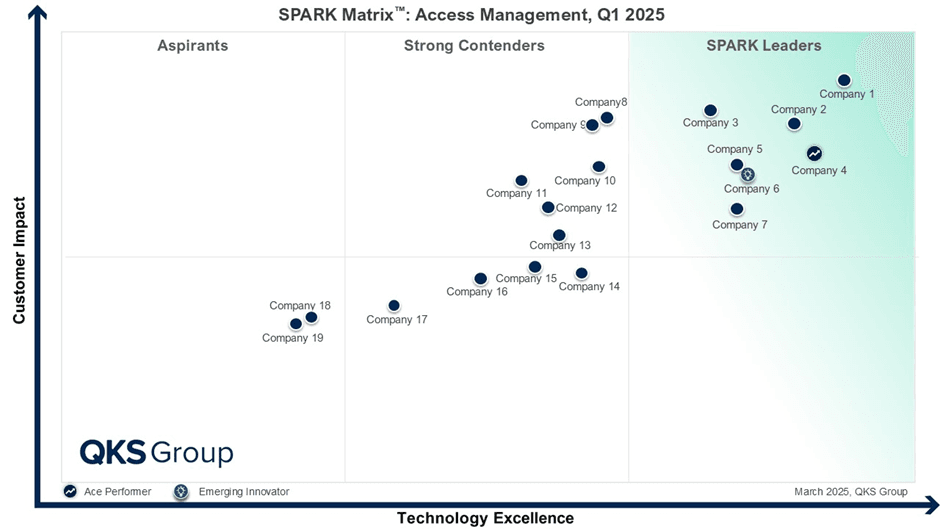
    Access Management Market is evolving rapidly as organizations prioritize secure, seamless, and adaptive access to critical digital resources. Modern access management solutions are no longer limited to basic authentication; they now integrate advanced technologies such as AI-driven analytics, risk-based authentication, and contextual intelligence to ensure secure and user-friendly access across enterprise environments.

    Click here for More: https://qksgroup.com/market-research/spark-matrix-access-management-q1-2025-8624

    According to recent research, the market is witnessing a shift toward intelligent identity governance and administration (IGA), zero trust frameworks, and automated threat detection. These trends reflect an industry-wide focus on proactive risk assessment and continuous authentication, which help organizations stay ahead of increasingly sophisticated cyber threats. Additionally, decentralized identity models are gaining traction, offering improved privacy and control over user credentials while supporting flexible, scalable access management strategies.

    The research provides strategic insights for both technology vendors and enterprise users. Vendors gain a comprehensive understanding of market dynamics, emerging technology trends, and competitive positioning, helping shape growth strategies and product development. For organizations, the study offers guidance in evaluating vendor capabilities, differentiation, and overall market position, ensuring informed decisions in selecting access management solutions that align with their security and business objectives.

    A key component of this research is the proprietary SPARK Matrix analysis, which evaluates and ranks leading global access management vendors. The SPARK Matrix highlights technology excellence, customer impact, and market presence, giving a clear view of vendor strengths and differentiation. Notable vendors analyzed include 1Kosmos, CyberArk, Entrust, Eviden, Exostar, Fortinet, IBM, LastPass, Microsoft, Okta, One Identity, OpenText, Oracle, Ping Identity, RSA, SecureAuth, Simeio, Thales, and TrustBuilder. This analysis provides a holistic view of the competitive landscape, helping organizations identify partners capable of delivering advanced, secure, and scalable access solutions.

    Modern Access Management platforms empower enterprises to enhance security without compromising user experience. Features such as adaptive policy enforcement, AI-powered threat detection, and seamless integration with existing IT environments ensure that access control is both dynamic and resilient. As digital transformation accelerates and cyber threats grow more sophisticated, access management will remain a critical pillar of enterprise cybersecurity strategies, driving innovation, operational efficiency, and user trust globally.

    Download Sample Report Here: https://qksgroup.com/download-sample-form/spark-matrix-access-management-q1-2025-8624

    #AccessManagementMarket #iammarketsize #identityandaccessmanagementmarket #accesscontrolmarket #accessmanagement #privilegedaccessmanagement #ciam #identityandaccessmanagement #accesscontrol #pamsolution #identitymanagement #identityaccessmanagement #privilegedaccessmanagementsolutions #iamsolutions #identitymanagementsystem #enterprisesecurity #SPARKMatrix #security #accessmanagementtrends #cybersecurity
    Access Management Market Analysis: Key Vendors, Trends, and Future Outlook Access Management Market is evolving rapidly as organizations prioritize secure, seamless, and adaptive access to critical digital resources. Modern access management solutions are no longer limited to basic authentication; they now integrate advanced technologies such as AI-driven analytics, risk-based authentication, and contextual intelligence to ensure secure and user-friendly access across enterprise environments. Click here for More: https://qksgroup.com/market-research/spark-matrix-access-management-q1-2025-8624 According to recent research, the market is witnessing a shift toward intelligent identity governance and administration (IGA), zero trust frameworks, and automated threat detection. These trends reflect an industry-wide focus on proactive risk assessment and continuous authentication, which help organizations stay ahead of increasingly sophisticated cyber threats. Additionally, decentralized identity models are gaining traction, offering improved privacy and control over user credentials while supporting flexible, scalable access management strategies. The research provides strategic insights for both technology vendors and enterprise users. Vendors gain a comprehensive understanding of market dynamics, emerging technology trends, and competitive positioning, helping shape growth strategies and product development. For organizations, the study offers guidance in evaluating vendor capabilities, differentiation, and overall market position, ensuring informed decisions in selecting access management solutions that align with their security and business objectives. A key component of this research is the proprietary SPARK Matrix analysis, which evaluates and ranks leading global access management vendors. The SPARK Matrix highlights technology excellence, customer impact, and market presence, giving a clear view of vendor strengths and differentiation. Notable vendors analyzed include 1Kosmos, CyberArk, Entrust, Eviden, Exostar, Fortinet, IBM, LastPass, Microsoft, Okta, One Identity, OpenText, Oracle, Ping Identity, RSA, SecureAuth, Simeio, Thales, and TrustBuilder. This analysis provides a holistic view of the competitive landscape, helping organizations identify partners capable of delivering advanced, secure, and scalable access solutions. Modern Access Management platforms empower enterprises to enhance security without compromising user experience. Features such as adaptive policy enforcement, AI-powered threat detection, and seamless integration with existing IT environments ensure that access control is both dynamic and resilient. As digital transformation accelerates and cyber threats grow more sophisticated, access management will remain a critical pillar of enterprise cybersecurity strategies, driving innovation, operational efficiency, and user trust globally. Download Sample Report Here: https://qksgroup.com/download-sample-form/spark-matrix-access-management-q1-2025-8624 #AccessManagementMarket #iammarketsize #identityandaccessmanagementmarket #accesscontrolmarket #accessmanagement #privilegedaccessmanagement #ciam #identityandaccessmanagement #accesscontrol #pamsolution #identitymanagement #identityaccessmanagement #privilegedaccessmanagementsolutions #iamsolutions #identitymanagementsystem #enterprisesecurity #SPARKMatrix #security #accessmanagementtrends #cybersecurity
    QKSGROUP.COM
    SPARK Matrix?: Access Management, Q1 2025
    QKS Group’s Access Management market research includes a detailed analysis of the global market rega...
    0 Comments 0 Shares 0 Reviews
  • SPARK Matrix™: Access Management

    https://qksgroup.com/market-research/spark-matrix-access-management-q1-2025-8624

    #AccessManagementMarket, #AccessManagement, #AMMarket, #AccessManagementMarketShare, #AccessManagementMarketForecast, #Security, #Cybersecurity
    SPARK Matrix™: Access Management https://qksgroup.com/market-research/spark-matrix-access-management-q1-2025-8624 #AccessManagementMarket, #AccessManagement, #AMMarket, #AccessManagementMarketShare, #AccessManagementMarketForecast, #Security, #Cybersecurity
    0 Comments 0 Shares 0 Reviews