
Affiliated vs Independent Sleep Clinics: Which Is Right for You?
The Growing Demand for Sleep Disorder Treatment
The landscape of sleep healthcare is experiencing remarkable transformation. Recent projections indicate that the sleep disorder clinics sector will expand from $6.11 billion in 2023 to reach $8.43 billion by 2029. This represents a steady annual growth rate of 5.51%, reflecting the increasing recognition of sleep health as a critical component of overall wellness.
Several factors drive this expansion. The aging population, particularly baby boomers entering their senior years, requires more specialized sleep care. Additionally, rising healthcare spending and growing awareness about sleep disorders contribute significantly to market development.
Innovative Technologies Reshaping Sleep Diagnostics
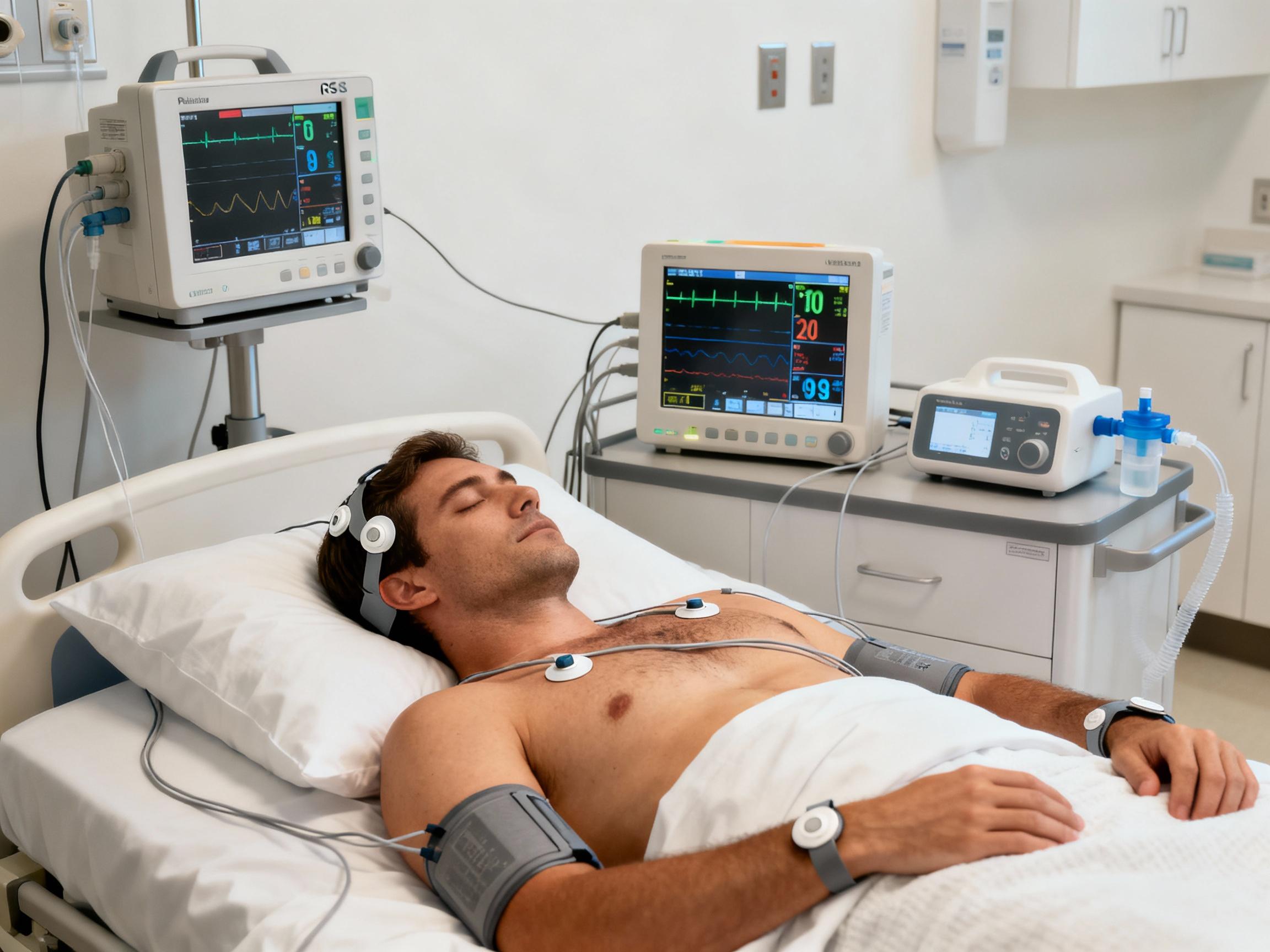
Modern sleep clinics are adopting cutting-edge approaches to diagnosis and treatment. Advanced EEG signal detection methods now provide more detailed and continuous monitoring of brain activity during sleep. Novel oxygenation metrics offer better insights into hypoxia patterns, measuring duration, frequency, and severity with unprecedented accuracy.
These technological improvements enable healthcare providers to deliver more precise diagnoses and personalized treatment plans. Data acquisition systems and sophisticated scoring algorithms make it possible to capture nuances in sleep patterns that were previously undetectable.
The Home Testing Revolution
One of the most significant shifts in sleep healthcare involves the movement toward home-based testing. Healthy individuals can now complete sleep assessments in their own bedrooms using portable monitoring devices. This convenience factor reduces costs and eliminates the need for overnight hospital stays in many cases.
As home testing becomes more accessible, sleep laboratories can focus their resources on patients with complex medical conditions requiring intensive monitoring. This stratification improves efficiency across the entire healthcare system while maintaining quality standards for those who need specialized care.
Public Health Initiatives and Awareness
Organizations like the CDC actively promote understanding of sleep health through research and public education campaigns. Scientists study relationships between insufficient sleep and chronic diseases, behavioral patterns, and social health factors. The American Academy of Sleep Medicine partners with advocacy groups to spotlight common conditions like insomnia through awareness events.
These initiatives help reduce stigma around sleep disorders while encouraging people to seek professional help. As public knowledge increases, more individuals recognize symptoms and pursue appropriate treatment.
Choosing Between Clinic Types
When seeking treatment for sleep disorders, patients face an important decision about where to receive care. Sleep clinics generally fall into two categories: affiliated facilities connected to larger hospital systems and independent practices operating autonomously.
Affiliated clinics currently dominate the market, accounting for the majority of patient visits in 2023. These facilities offer several advantages, including access to multiple specialties under one roof. When sleep problems relate to other health conditions like heart disease or neurological disorders, having specialists available in the same location streamlines care coordination.
Round-the-clock assistance represents another benefit of affiliated centers. Patients can receive support at any hour, which proves valuable for urgent situations or complex cases requiring continuous monitoring.
The Rise of Independent Practices
Despite the current dominance of affiliated facilities, independent sleep clinics are experiencing the fastest growth rate in the industry. These practices attract patients through flexible scheduling, personalized attention, and often more affordable pricing structures.
Independent clinics typically offer a more intimate healthcare experience. Providers spend more time with each patient, developing deeper understanding of individual circumstances and preferences. This personalized approach resonates with people seeking alternatives to large institutional settings.
The trend toward independent practices reflects broader shifts in healthcare delivery. Many patients prefer smaller, specialized environments where they feel less like a number and more like a valued individual.
Navigating Insurance Coverage
Understanding payment options is essential when selecting a sleep clinic. Private insurance companies cover most sleep-related services, though specific benefits vary by plan. Insurers typically reimburse diagnostic testing like sleep studies and treatment equipment such as PAP devices.
Public insurance programs also provide coverage for sleep disorder treatment, making care accessible to broader populations. However, coverage rules differ significantly between programs and regions.
Some patients pay out of pocket, either by choice or necessity. Costs for testing and treatment vary dramatically across different communities and states. Researching pricing in advance helps patients budget appropriately and avoid unexpected bills.
Making an Informed Decision
Selecting the right sleep clinic depends on individual needs and circumstances. Consider factors like location, available services, insurance acceptance, and the type of care environment you prefer. Some people prioritize comprehensive services and hospital connections, while others value personalized attention and flexible scheduling.
Regardless of which type of facility you choose, ensure it meets accreditation standards and employs qualified sleep specialists. Quality care should always be the primary consideration when making healthcare decisions.
Visit: U.S. Sleep Disorder Clinics Market - Industry Outlook & Forecast 2024-2029
