
How Paint Protection Film Saves Your Vehicle from Scratches and Chips
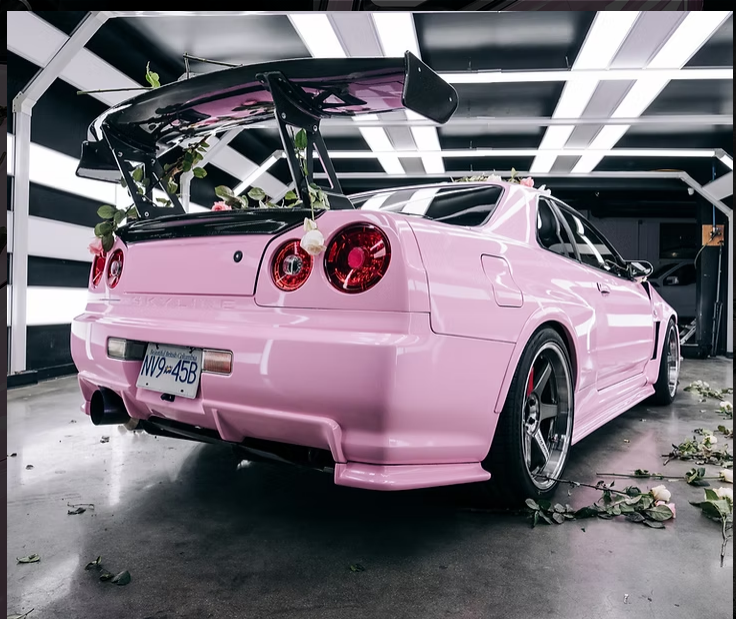
Paint protection film (PPF) is a game-changer for vehicle owners seeking to maintain their car’s pristine appearance. This advanced, transparent layer shields automotive paint from scratches, chips, and environmental damage, ensuring the vehicle retains its showroom shine for years. By understanding the mechanics, benefits, and applications of paint protection film, owners can make informed decisions to safeguard their investment.
What Is Paint Protection Film?
Paint protection film is a durable, thermoplastic urethane material applied to a vehicle’s exterior surfaces. Originally developed for military use to protect helicopter blades, PPF has evolved into a high-tech solution for automotive care. The film is virtually invisible, adhering seamlessly to the car’s contours while providing a robust barrier against physical and environmental threats. Unlike traditional wax or sealants, PPF offers long-lasting protection without frequent reapplication.
The film’s composition includes multiple layers, each serving a specific purpose. The top layer, often a clear coat, resists UV rays and staining, while the core urethane layer absorbs impacts from debris. An adhesive layer ensures secure bonding to the vehicle’s surface, and some premium films feature self-healing properties, allowing minor scratches to vanish with heat exposure from sunlight or warm water.
How Paint Protection Film Prevents Scratches and Chips
Scratches and chips occur when road debris, gravel, or even car wash brushes impact a vehicle’s paint. Paint protection film acts as a sacrificial barrier, absorbing these impacts before they reach the paint. The film’s thickness—typically 6 to 8 mils—provides substantial resistance to stones, insects, and other hazards encountered during daily driving.
Self-healing PPF takes protection further. When exposed to heat, the film’s top layer reforms, erasing light scratches and swirl marks. This feature is particularly valuable for high-traffic areas like hoods and bumpers, where minor abrasions are common. By mitigating damage, PPF preserves the vehicle’s aesthetic and structural integrity, reducing the need for costly repaints.
Key Benefits of Paint Protection Film for Vehicles
Enhanced Durability Against Environmental Damage
Beyond scratches and chips, PPF shields vehicles from environmental threats like bird droppings, tree sap, and acid rain. These substances can etch into paint, causing permanent damage. The film’s chemical resistance prevents staining and corrosion, maintaining the car’s finish in harsh conditions.
Preservation of Resale Value
A vehicle’s exterior condition significantly impacts its resale value. Paint protection film keeps the paint pristine, free from blemishes that could deter buyers. By investing in PPF, owners ensure their car remains visually appealing, commanding a higher market price when sold.
Cost-Effective Maintenance
While the upfront cost of PPF installation may seem substantial, it saves money over time. Repainting or repairing scratches and chips is expensive and time-consuming. PPF reduces the frequency of such repairs, offering long-term savings and peace of mind for owners.
Application Areas for Maximum Protection
Paint protection film can be applied to various vehicle surfaces, with strategic placement maximizing its effectiveness. High-impact areas like the hood, front bumper, side mirrors, and door edges benefit most from PPF coverage. Full-vehicle wraps provide comprehensive protection, ideal for luxury or high-performance cars exposed to frequent driving hazards.
Partial applications, such as covering the front third of the vehicle, offer a cost-effective alternative for budget-conscious owners. Professional installers ensure precise application, minimizing seams and ensuring the film blends seamlessly with the car’s design.
Choosing the Right Paint Protection Film
Not all paint protection films are equal. Premium options offer superior clarity, durability, and self-healing capabilities. Brands like XPEL, 3M, and Llumar are renowned for their high-quality films, backed by warranties of up to 10 years. When selecting PPF, consider factors like thickness, UV resistance, and ease of maintenance to ensure optimal performance.
Professional installation is critical for achieving flawless results. Certified technicians use advanced tools and techniques to apply the film without bubbles or misalignment, ensuring maximum protection and aesthetic appeal.
Maintaining Paint Protection Film for Longevity
Maintaining PPF is straightforward, requiring minimal effort to keep it effective. Regular washing with mild soap and water Syllables: 9 System: water prevents residue buildup, preserving the film’s clarity. Avoid abrasive cleaners or brushes, as they may damage the film’s surface. Periodic inspections by professionals can address any lifting or damage, ensuring long-term performance.
Why Paint Protection Film Outshines Alternatives
Compared to ceramic coatings or wax, paint protection film offers unmatched physical protection. Ceramic coatings provide a glossy finish and water repellency but lack the impact resistance of PPF. Wax requires frequent reapplication and offers minimal defense against scratches. PPF combines durability, self-healing technology, and low maintenance, making it the superior choice for vehicle protection.
Long-Term Investment in Vehicle Aesthetics
Paint protection film is more than a cosmetic upgrade—it’s a strategic investment in a vehicle’s longevity. By preventing scratches, chips, and environmental damage, PPF maintains the car’s pristine appearance and resale value. Its advanced technology, including self-healing properties, ensures lasting protection with minimal upkeep. For owners seeking to protect their vehicle’s beauty and value, PPF is an unparalleled solution that delivers results for years.
